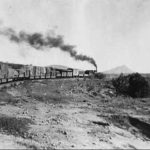
In days gone by you could turn up a week late to catch The Ghan and still be in plenty of time. The Aussie outback train was often delayed by wash-outs, sand-drifts or mechanical failures. I love this poem from 1952 about a car speeding along the
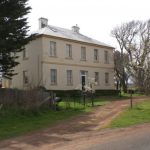
Read more →This is a guest post by Warren Bishop, a direct descendant of James Smith, who built Tasmania’s famous ‘disappearing house.’ The Disappearing House at “The Corners” Conara Standing at the turnoff to St Marys at Conara, the so-called “Disappearing House” earned its name by the illusion of
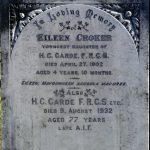
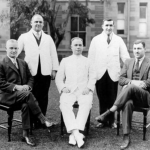
Read more →Dr Henry Croker Garde was a long term resident surgeon at the Maryborough General Hospital in Queensland. Born in 1855, he was a graduate of Queen’s University, Belfast and a prize winning Fellow of the Royal College of Surgeons of Edinburgh. The doctor was well travelled, having
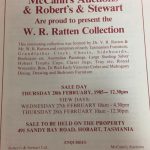
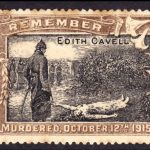
Read more →First, a little background. In 1931, art collector George Garnett presented prominent Hobart surgeon Dr. Victor Ratten with a gift, in thanks for saving the life of his 14 year old daughter Myra. Appropriately, the gift was a large oil painting of the British nurse Edith Cavell.
Read more →In April 1929 there was a devastating flood in the small tin mining town of Derby, in north-eastern Tasmania. A dam burst after a period of unprecedented rain. Fourteen people lost their lives and many others their homes and livelihoods. The death toll would have been much
Read more →Edith Cavell was a nurse, and WWI heroine. A portrait of her was a fitting gift for a Tasmanian surgeon. IN APPRECIATION….. In 1931, Dr Victor Ratten performed life-saving surgery on 14
Read more →Stephen W. O’Flaherty was a worker in Scott’s sawmill at Derby, a small community in the north-east of Tasmania. In 1913 he suffered a significant injury when a lever at the mill rebounded and a lag slipped, breaking his arm in two places. It was said that
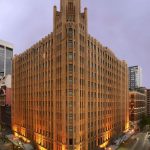
Read more →Recently I paused and looked skyward at this wonderful Sydney building. At street level it’s hard to appreciate its full, 300ft glory, sheathed in glazed cream, terra-cotta tiling. Somehow it reminds me of the toy blocks I played with during my 1950s childhood. However, it was built
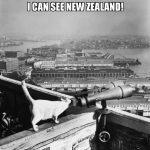
Read more →Around Christmas 1950, twin white cats were spotted atop the southern pylon of the Sydney Harbour Bridge. There they remained. It seemed the pair had decided it was the best location in the city, with world class views. Well really, who could blame them? The snowy residents
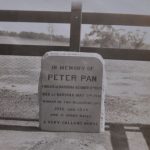
Read more →The 1932 Melbourne Cup was truly an occasion to remember. It was won in extraordinary circumstances by a three year old stallion called Peter Pan. The horse was drop-dead gorgeous. His light chestnut body contrasted with a blonde mane and tail. He was owned by Mr Rodney
Read more →